Voters Don't Seem to Know What Labour Stands For - Is This a Problem for Starmer?
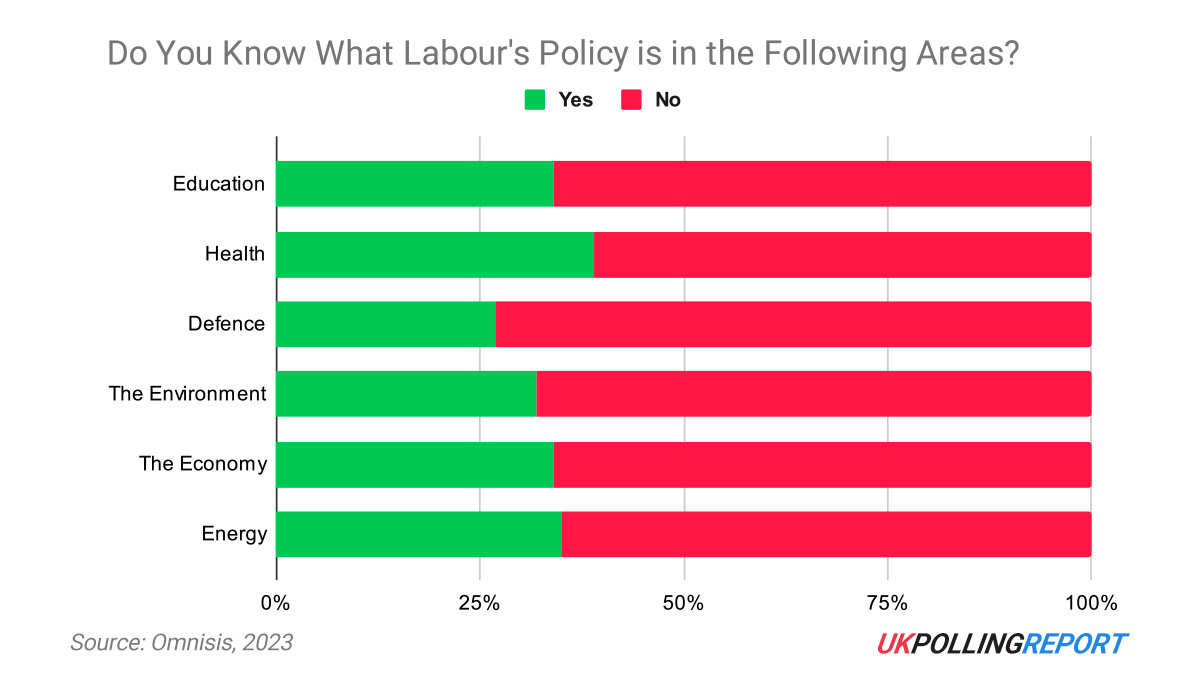
The latest voting intention poll from Omnisis' included some intriguing questions on current perceptions of Labour party policy. Broadly, the public reports very limited knowledge of Keir Starmer's platform - just 33% said they know what he stands for. When this is probed further by policy areas, the results tell the same story.
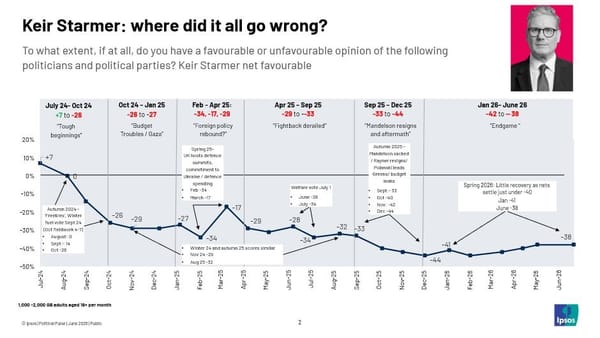
In all competencies prompted for, less than 40% of the public said they knew Labour's policy. This response rate was highest on health, 39%, and lowest on defence with 29%. These findings align with previous polling which has suggested that the public is hardly head over heels for Keir Starmer.
Firstly, responses to the question were strongly correlated to party vote: Labour voters are far more confident in their knowledge of Starmer's platform. This is hardly surprising in itself, though it could also hint at another trouble with interpreting question responses, in that it is difficult to disentangle where voters are simply unaware of Labour's policy or where they might be responding along party lines. Similarly, voters may interpret the question more as a political judgement of Labour's platform.
The importance of partisan influences is perhaps shown by the fact older voters - a group held by conventional wisdom to be more politically attentive - report lower awareness of Labour's platform than younger ones.
There are further reasons Starmer's team might not be so concerned with these results. Firstly, we are still far out from an election and political attention is likely to be lower - an absence of policy knowledge from the public is not unexpected. Likewise, evidence from some captivating Redfield & Wilton word clouds suggests Rishi Sunak is hardly faring much better than Starmer in this department - even with the key advantage of actually being in government and able to enact policies.
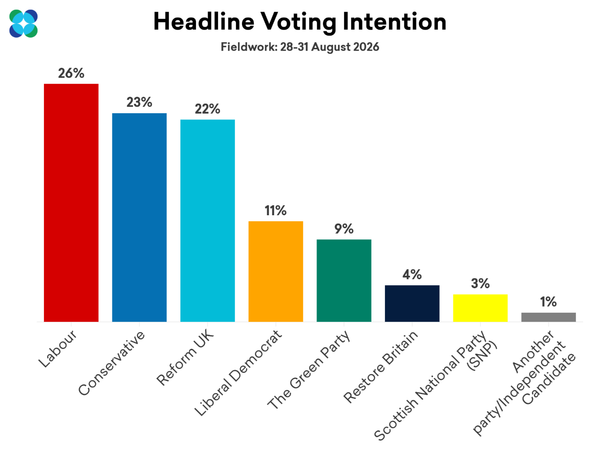
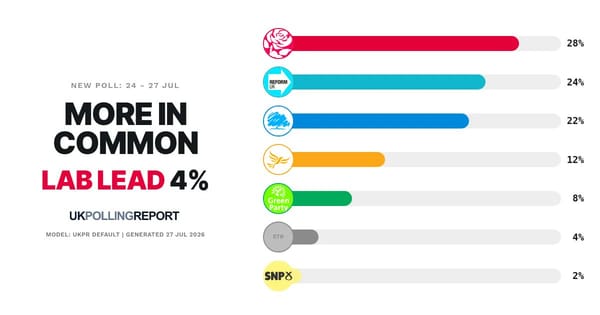
Most reassuringly for Labour is that even with these potential pitfalls, the party is more trusted than the Conservatives on the vast majority of policy areas and is still seeing its 20-point poll lead grow. Although it may give Starmer some cause for trepidation, the fact most voters say they're unaware of Labour's policies shouldn't set off any alarm bells in their central office.