On whether political trivia matters
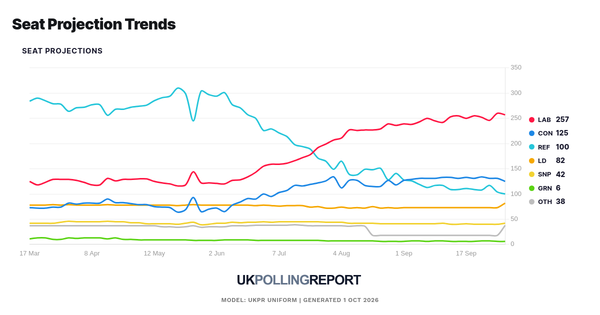
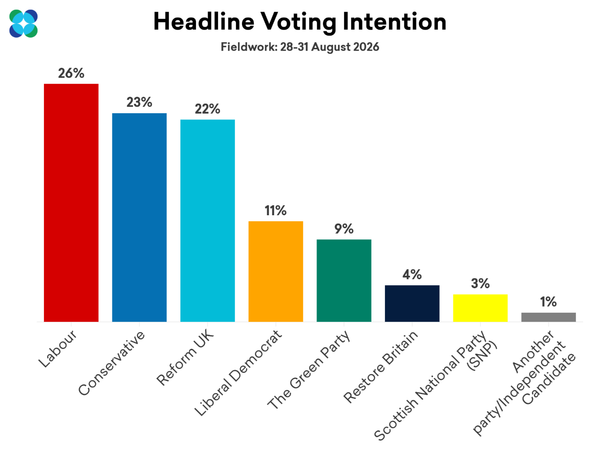
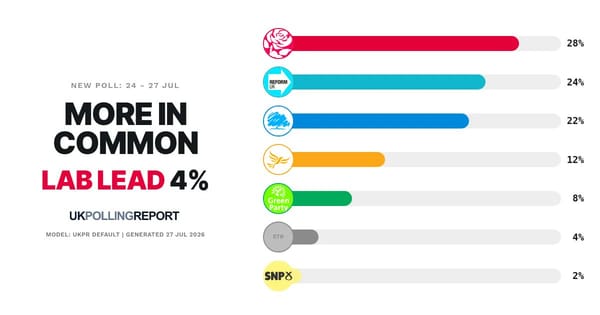
One of the most important things in understanding public opinion on politics is quite how little attention most people pay to it. I constantly see comments in here asking what effect a news event will have on voting intention. Most of the time the answer is none. This is should be evident from looking at the polls, which have had a steady Labour lead of 10 points or so for months, despite lots of "things" happening. The reasons are that firstly people aren't watching anyway - most people don't read broadsheet newspapers or pay much attention to the news, secondly, those that do normally interpret events and stories through their pre-existing political preferences, so they are more likely to re-inforce their existing views than change them.
If you are reading this website in the first place, you are probably a bit of a political anorak. At the very least you are interested in politics. Most people are not, and no matter how little attention you think people pay to political events, you are probably still *vastly* overestimating it. To illustrate it, think of something you care absolutely nothing for - celebrity magazines perhaps, soap operas you don't watch, US baseball, whatever doesn't float your boat. Do you know what the big story was in that field last week, how has it changed your opinion of the big players in that field, do you even know who the big players are? That's most normal people's attitude to what happened at PMQs this week.
The lack of public interest and awareness of what is going on in politics first really struck me looking at some Populus polling Lord Ashcroft did for his book "Smell the Coffee" back in 2005. It is easy to ask people if they have heard about a story, but it is not the best way - they may not want to look stupid, they may misremember having heard about the story*, the act of prompting people about the story may make people remember it when they've forgotten it and so on.
What Lord Ashcroft and Populus did was each day, between January 2005 and election day, ask 250 people if they recalled anything the Conservative party had done or said that week. There was no prompting, it was just what people recalled. Most of them noticed noting at all - sometimes up to 90% of people had noticed nothing (recall, this was just before an election was interest was at its height). The biggest score of anything was Michael Howard pledging to cut immigration, which peaked with 30% of people noticing it straight after Howard's announcement. The key Conservative election pledges on things like cleaner hospitals, cutting taxes, more police were normally recalled by well under 5% of people. Never forget how little of politics gets through.
Anyway, seven years later and we have another bit of polling from Lord Ashcroft on a similar vein. He's asked people to list what political news stories they have heard over the last few weeks, again unprompted. The most recalled, by far, is Andrew Mitchell and plebgate, which was recalled by 33% of people, followed by George Osborne not paying for a first class ticket which 13% of people recalled and 8% who recalled stories about the Scottish independence referendum. 7% recalled cuts to child benefit, 6% recalled the story about MPs "swapping flats" to claim more expenses. 5% recalled the increase in GDP figures and the row about prisoners voting, everything else was below 5%.
The second half of Ashcroft's poll gave people a prompted list of stories and asked if they had heard of them, and also how important they were. The proportions of people claiming to have heard of a story were higher, but "plebgate" still came top (many of the other differences were timing related - in the unprompted question people cleared tended to give stories from the previous couple of days, when the prompted question included things from weeks or months back). People did tend to rate the solid policy stories as more important than the "political soap opera" stories, but the "soap opera" stories were more widely recalled.
What it shows, especially the unprompted question, is that people are more likely to pay attention to and remember the rather trivial but human stories that they think are unimportant than stories about policies and proposals. People may say they think it is comparatively unimportant that Mitchell called a policeman a pleb... but a third of people recalled it unprompted. Try getting a third of people to recall a party's tax or economic policy unprompted. One might be seen as petty and one might be seen as important, but if people are only aware of the petty one is it going to inform their view of the party.
That's different, however, from saying they necessarily make an impact. As I said at the start of this post, the reason most events don't have any impact on voting intention or other trackers isn't just that they aren't noticed, it is also that people view them through the prism of their existing political views. So if a Labour MP does something awful, Conservative supporters will probably think it is disgusting and corrupt and must taint the whole of the Labour party... but they weren't supporting Labour anyway. Labour supporters will probably tend to take a more charitable view, it was an understandable mistake, just one rogue MP and there are bad apples in all parties, the leadership acted strongly to punish them, etc (and of course, it works the other way round if a Conservative MP does something awful).
Even if they do have an effect, it is probably so subtle it is impossible to measure. No one is, in three years time, going to think "Well, the Conservatives have done well in government, I think David Cameron is the better leader, but one of their MP was a bit rude to a policeman three years ago so I'm voting Labour". However, they might well think "the Conservatives are out of touch with ordinary people and look down on those less wealthy, they aren't the party for me, I'm voting Labour". Some of that view could have been contributed to, or reinforced by, a Conservative MP allegedly calling a policeman a pleb. Could we ever prove or disprove this through an opinion poll, not really, no. If we had polls tracking whether people thought the Conservatives were in touch or not from before and after the event we could infer it - but it is tricky to isolate an event, and most changes cannot be distinguished from margin of error variation.
In short, as I've said here before, there are three ways of understanding public opinion and its impact on people's views. The first is crude support or opposition - do people approve or disapprove, like or dislike something. Very easy and straightforward to measure - they don't like politicians swearing at policemen. The second is salience - is is important to them compared to other issues? Are they even away of it? This is trickier to measure, but in this case we know a significant proportion of people were aware of the Andrew Mitchell story, but also that most didn't think it was that important. Thirdly, what impact does it have on their wider perception of the party - does it make them think the Conservatives are more out of touch, just reinforce existing views, or neither? We really can't tell, and its not something that polling can easily tell us.
(*on people misremembering stories that they haven't actually heard about, the Ashcroft poll today included two fake stories. 14% of people said they had heard at least something about Labour MP Audrey Cockburn using union funds to decorate her flat. Given neither she nor her flat exist, those 14% of people are wrong)