More from the YouGov/Sunday Times poll
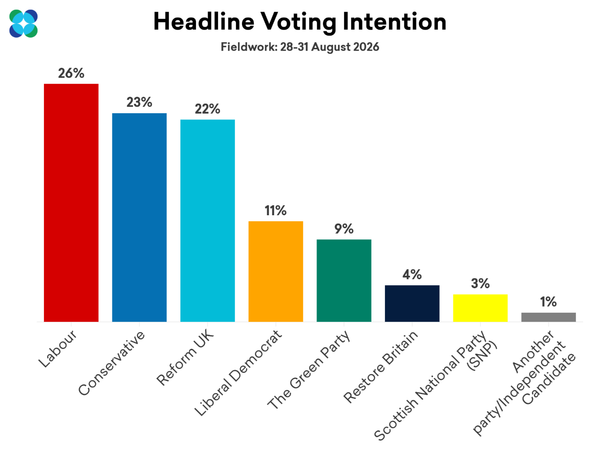
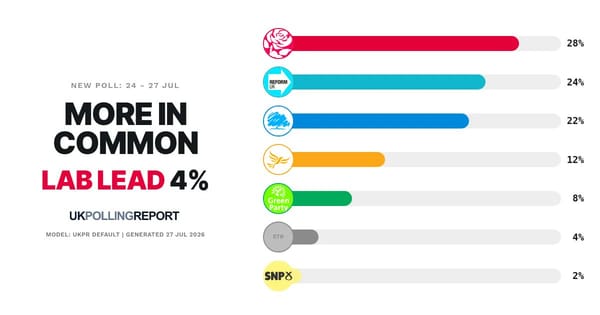
The full tables for the Sunday Times are now up here. Voting intention is much as usual (though the Lib Dems are at 12%, confirming that 9% really was just a blip), but government approval is down to minus 10.
Up until Tuesday the government's approval rating had been in the range -1 to -5, with around about 40% approving and 44% or so disapproving. In the three sets of results since then government approval has been minus 9 or minus 10, with 37-38% approving and 46-48% disapproving. Whether it was tuition fees, votes for prisoners or the European budget deal, something appears to have given the government a knock.
Turning to some of those issues, on tuition fees 11% think the government should have gone with Browne's full recommendation and introduced unlimited fees, 26% think they got the balance right with fees of £9000, 50% would have preferred lower fees (or a total abolition). A plurality support the government's proposed measures to force universities charging over £6000 to introduce special measures to encourage students from low income families, and to raise the repayment rate and charge higher interest rates to high earning graduates, but all the same 62% think it will result in fewer people from low income households going to university.
On votes for prisoners, as with the YouGov/Sun poll earlier in the week, the idea was overwhelmingly opposed. 17% think prisoners should be allowed to vote, 76% think they should not.
The final group of questions were about government powers on terrorism, and showed the normal public appetite for robust anti-terrorist powers (and comparative lack of concern for civil liberties in relation to terrorist issues). 45% of respondents thought terrorist suspects should be able to be held for 42 days or longer without charge, 27% supported the current 28 day limit and 19% wanted a lower limit. 73% supported the government having the power to impose control orders. 50% thought the security services should be allowed to use information passed to them from other countries that may have been obtained by torture, 31% disagree. On the overarching question of whether people suspected of terrorist offenses should benefit from the full protection of human rights or not, 31% of people thought that should, but 60% thought that some human rights should be suspended for people suspected of terrorist offenses.
In all of these terrorism questions, Conservative voters were the most robust in supporting anti-terrorism laws, and Liberal Democrat supporters the most, well, liberal.