Lessons From City of Chester By-Election

As the City of Chester result is dissected by pundits and punters alike, one thing is clear: nobody's surprised. Labour won on a solid margin, the swing was, broadly, in line with the national expectation and turnout was low - it came in at 41.2%. In the end, Labour held the seat on a 39% majority, clocking in with 61.2% (+11.6) to the Conservatives 22.4% (-15.9).
The result was the worst for the Conservatives in Chester since 1832.Though (based on extremely low prior expectations) the Conservatives won't be too displeased, after 12 years in power they were hardly likely to win a seat they lost on the back of an 80 seat majority.
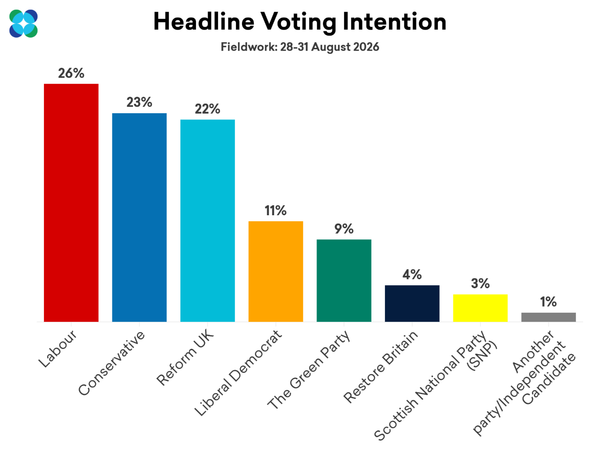
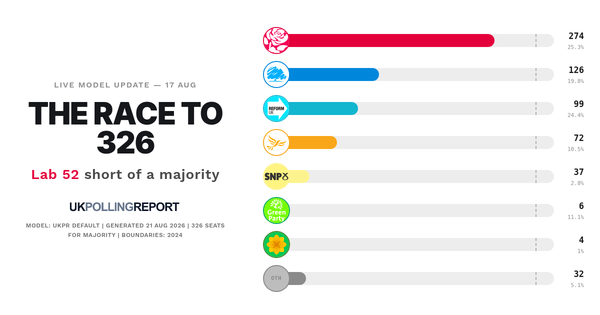
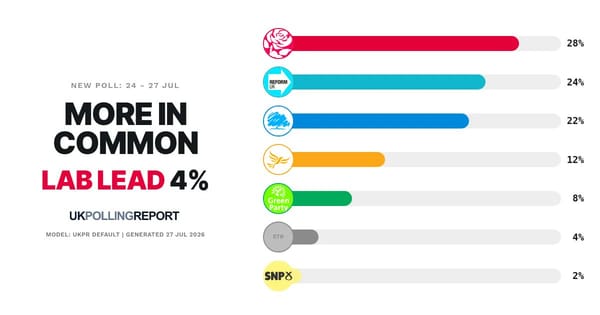
Labour saw a swing of around 13%, marginally lower than the result expected based on national polling. This could be explained by the context surrounding Matheson's resignation, local circumstances or turnout. Broadly, the result lends strength to the current state of national polling.
Whilst any sweeping conclusions would be ill-advised on a 41.2% turnout, there are some deeper inferences to be gleamed, particularly in reference to Reform UK. The party came in at 2.7%, just 0.2% above their 2019 result and well behind the 8.5% UKIP achieved in 2015. This seems to challenge the narrative surrounding their support.
YouGov's most recent poll gave them a somewhat remarkable 9%, backed by 15% of 2019 Conservatives. The Chester result certainly casts doubt on this individual poll reflecting reality. Especially considering a low-turnout electorate, likely to be more politically engaged, would have existing awareness of Reform and perhaps a stronger inclination towards the party. There would certainly be a danger of taking these conclusions too far, though it does raise questions of Reform numbers in broader polling.
The Liberal Democrats also had a strong showing. Despite the fact national polls would indicate the party is losing support (by a margin of about 2%), they in fact gained 1.5%. The seat had historically shown somewhat strong support for the Liberal Democrats, and with them recording their best result since 2010, it could suggest the legacy of coalition is somewhat diminished. Though other explanations are more likely. Firstly, the circumstances surrounding the election and Chris Matheson's resignation might have persuaded otherwise Labour-inclined voters to switch allegiances. Secondly, again, the low turnout could disproportionately benefit them as a challenger party.
Although these patterns are certainly interesting to close watchers of polls, the main significance of the by-election will be in the narrative it sets. Until the news cycle moves on, we will all be hearing more of the Conservatives' record defeat in Chester.