Ipsos MORI/Standard - CON 31, LAB 38, LD 12, UKIP 10
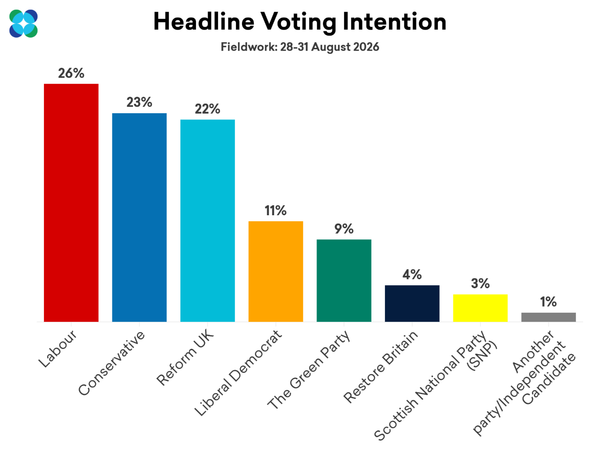
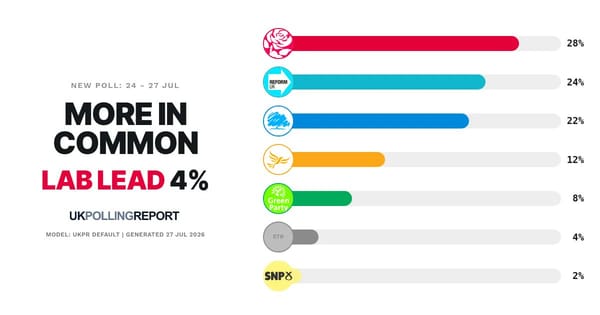
The monthly Ipsos MORI poll for the Standard is out today with topline voting intention figures of CON 31%(+1), LAB 38%(-1), LDEM 12%(-1), UKIP 10%(-1), not in itself any significant change from last month. Full tabs are here.
Econiomic optimism continues to climb, 50% of people now expect the economy to get better, 24% to get worse, a net score of plus twenty-six. This is the highest net figure since Tony Blair's honeymoon in 1997 (the 50% getting better is the highest Ipsos MORI have ever found). If this outbreak of extreme optimism sounds surprising, remember that the MORI question asks about general state of the economy, as I've explored here before, questions that ask about people's own personal finances tend to find more pessimistic results.
MORI also asked which party leader people most trusted on various issues, including Nigel Farage amongst the options. Cameron leads easily on the economy by 42% to Miliband's 20%, on reducing unemployment (by 33% to Miliband's 28%) and on immigration (by 23% to 20% for Farage, in second place). Miliband leads on banking regulation (by 29% to 21%) and looking after the interests of women (by 28% to 21%).
Finally MORI asked about the top rate of tax for those earning over £150,000, with intriguing results. Most polls I've seen in the past have been whether it should go up to 50p, whether it should go down to 40p again, whether it was right to cut it to 45p. MORI gave all three options, 50p, 45p and 40p. As we'd expect from past polling, 50p was the most popular, but was only picked by 41%. 27% went for 45p, 24% for 40p, so no one option commanding majority support. MORI also tested the question identifying the 50p option with Ed Balls, the 45p option with George Osborne and the 40p option with Boris. Despite Boris generally being a leap and a bound more popular than Balls or Osborne, it made hardly difference at all. Boris may be fun, but attaching his name to unpopular policies does not seem to have any magical affect.