How Real is Reform UK's Resurgence?

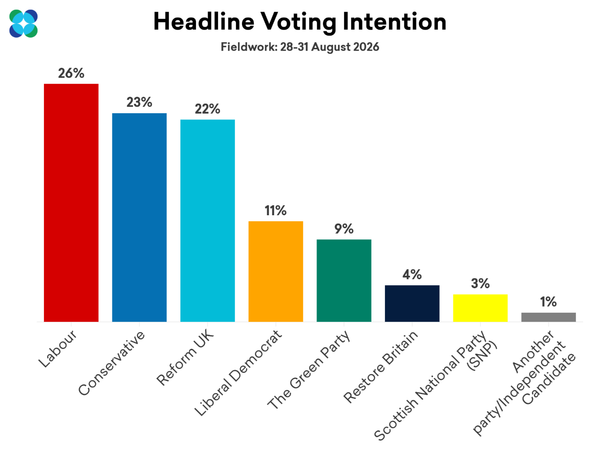
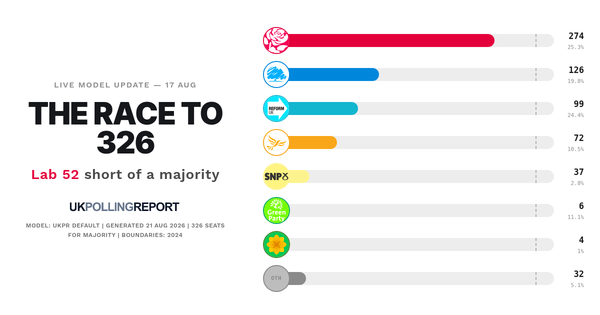
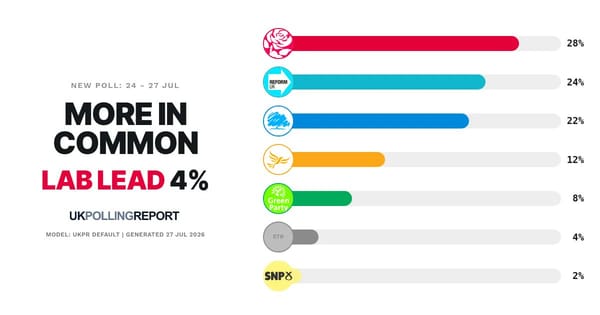
Much has been made of a resurgence in the polls for Reform UK. Several polls have given the party near all-time highs in Westminster voting intention, with Omnisis putting them on 9%. Whilst several of these are isolated polls, the broader trend does support the idea of a growth in popularity for the party. The below chart plots the party's vote share over the past month, with the trend line indicating a decent uptick in support.
There are reasons to be skeptical. Firstly, minor parties naturally poll lower and so can be more susceptible to fluctuations arising from polling error. Secondly, the largest results only come from Omnisis and PeoplePolling, with others putting their numbers somewhat lower. Despite these caveats, the picture is pretty clear. YouGov and Redfield & Wilton also show consistent increases in support, despite the fact these are not to such high levels as 9%, it indicates there has been a rise. There is also still an upward trajectory even with PeoplePolling and Omnisis omitted.
There are some pollsters who don't reflect this trend. Neither Survation nor Deltapoll have seen Reform figures shift. This could partly arise from the fact that both also prompt for UKIP at the first point of asking. If the sum of UKIP and Reform UK figures are taken, both pollsters also have seen rises, albeit modest ones, over the same period.
One common explanation for Reform UK's resurgence is the replacement of Liz Truss as Conservative leader. It suggests that Truss was popular amongst Conservative supporters, who've since become dissatisfied with a less ideological committed leader. This is somewhat borne out by the polls. The number of Conservative 2019 voters switching to Reform UK has increased over the past month. YouGov put this number at 5% in early October, compared to 10% in their most recent poll. The same figures from PeoplePolling have gone from 8% to 16%. However, because these numbers are very small sections of a sub-sample, they can only tell us so much.
Another potential motivation for the shift is the increasing salience of immigration. A large section of voters support restrictionist policy, and with a perception the Conservatives are failing, there is scope for Reform UK to make gains.
There is clearly appetite for a more right-wing alternative to the Conservatives, one which has been growing since Rishi Sunak became Prime Minister. Though there are still challenges for Reform UK.
Firstly, UKIP retains residual name recognition and support. In polling where it is prompted for at first asking, they often manage over 1% of respondents. One thing that could aid Reform in this is the much-speculated return of Nigel Farage. Years on from his heyday, a YouGov opinion tracker ranks him as both the 5th most popular and recognisable politician in the country. His return would aid a party currently in the ascendancy.
Even if Farage were to return, the party would still face the ever present barrier of first-past-the-post. There is little to suggest circumstances have changed sufficiently from any of the seven other times Farage stood for the UK Parliament to allow him, or any other Reform candidate, to win a seat.
Either way, a strong Reform does pose a threat to the Conservatives, and even the Labour Party, in a number of seats. Reform may well also have space to grow. As immigration becomes more salient, whilst both major parties are distrusted on the issue, there is room for a challenger to make headway. Hence the evidence does suggest that not only is a Reform resurgence real, it may not yet be over.