First Past the Post Doesn't Just Cause "Progressive Tragedies"
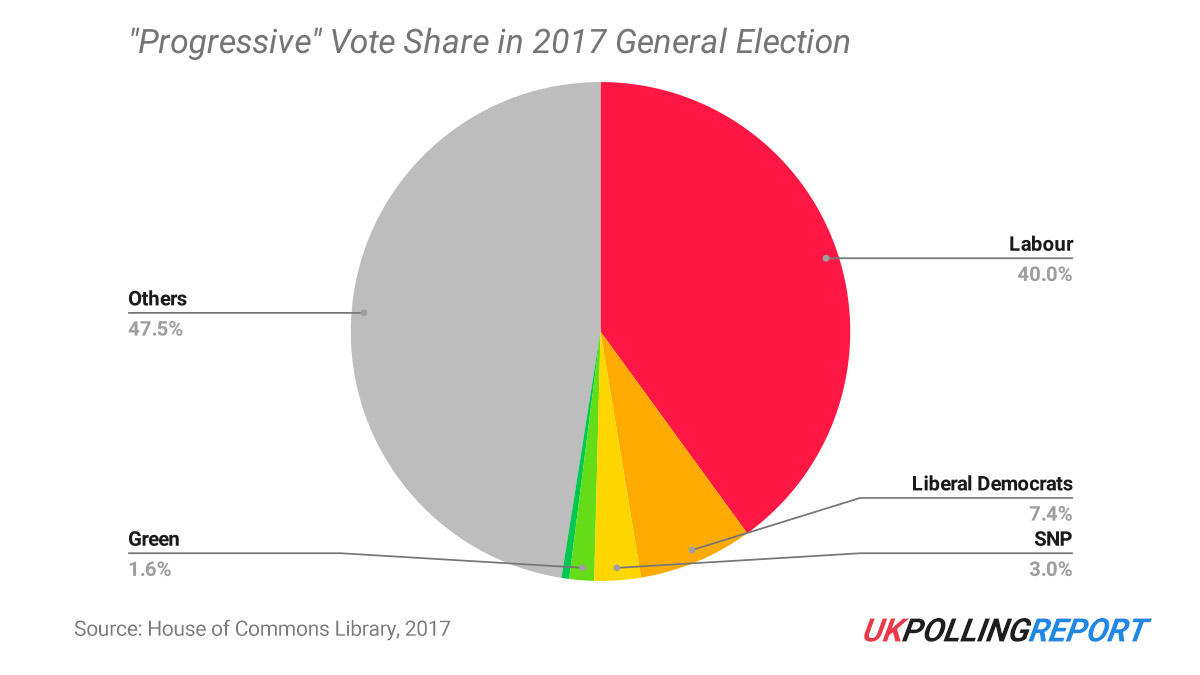
Electoral campaign group Win as One have set out their stall in The Guardian ahead of an official launch on Monday. The group hopes to co-ordinate progressive voters and candidates to secure a Labour-led government at the next election. They argue that Labour's lead is undermined by institutional disadvantages and will target 62 seats they describe as "progressive tragedies" – where the vote share of opposition parties outnumbered that of the Conservatives.
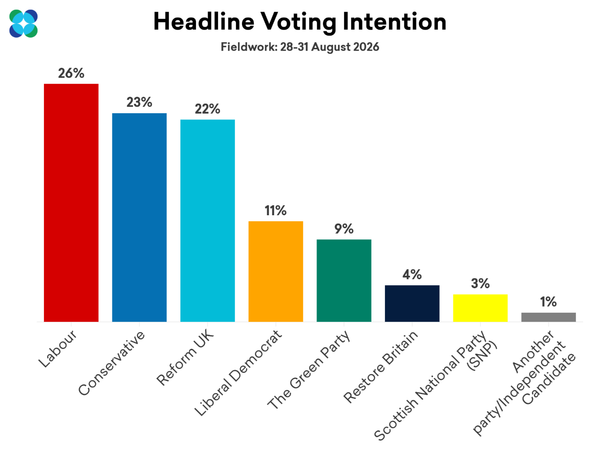
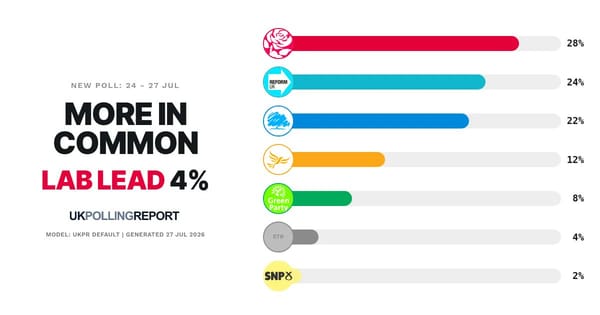
The group certainly make a fair argument. First past the post has disproportionately served to hold back progressive parties, at least in recent elections. This was especially true in 2017, when they received a combined vote share of around 52.5%. The article cites polling statistics, though we will have to wait until these are published in full to take too much from these.
There are some issues with Win as One's methodology: they don't also account for Reform UK vote share with the Conservatives, which surely would provide a fairer comparison. Moreover, even though they define a progressive tragedy as one where the progressive vote share equals the Conservatives, it would be near impossible for progressive parties to amalgamate perfectly. Even if they stood just one candidate, itself unlikely, they would undoubtedly lose votes from loyal party supporters who either stayed home or switched preferences. As such, it's possibly unfair to describe many constituencies with very small progressive margins as tragedies.
Of course, electoral tragedies are also not just a hazard of the left. Reform UK, and previously UKIP, have long suffered at the hands of first past the post. Moreover, by applying Win as One's own methodology to seats where a progressive party won at the expense of Reform and the Conservatives combined, at the last election there were also 39 Conservative tragedies (all but Carmarthen East and Dinefwr were won by Labour).
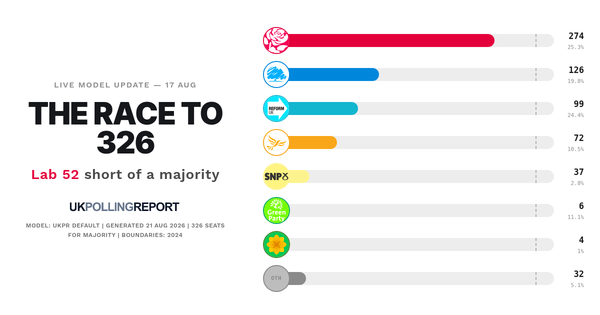
Electoral systems are crucial to determining outcomes, and any pacts could be significant across a large number of seats - perhaps over 100. As the group is set to launch Monday, with their commissioned polling, it should be interesting to see what public opinion has to say on the issue and for their broader strategy. Either way, the success of vote co-ordination campaigns is certainly something to keep an eye on.