The static campaign

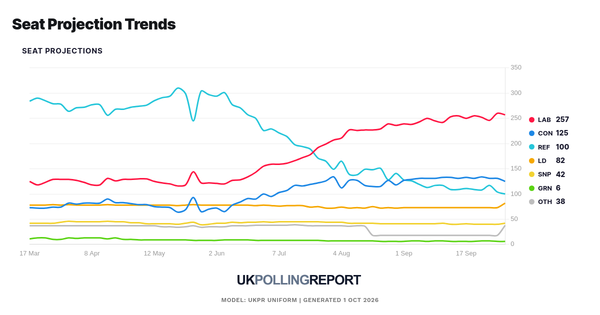
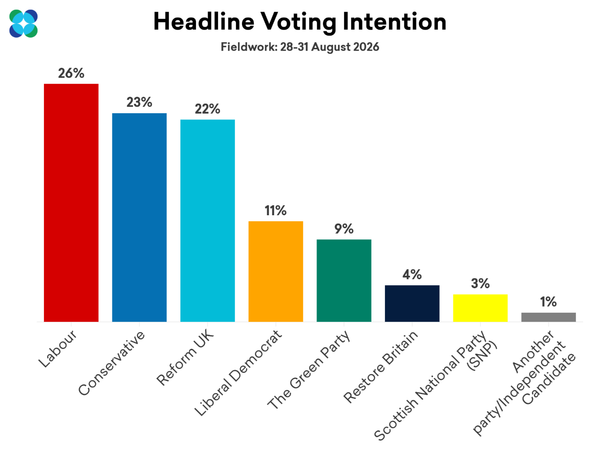
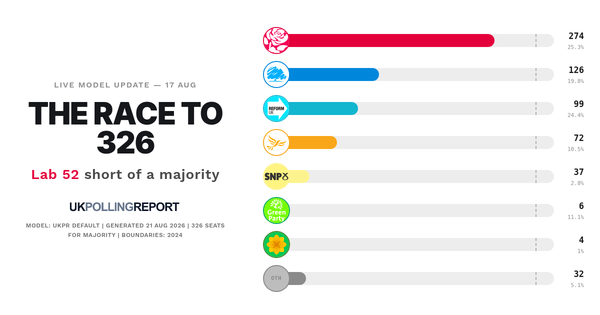
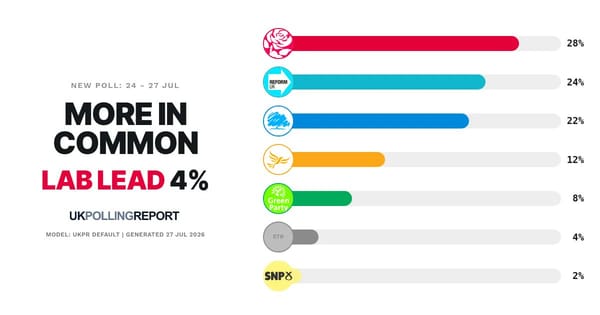
The defining feature of voting intention in this election is how little it has moved. The graph below shows the UK Polling Report polling average for each week so far of 2015.
Things haven't been completely static - at the beginning of 2015 Labour did still have a consistent tiny lead that faded towards a real tie over the first couple of months. There has been a genuine drop in support for UKIP and the Green party, albeit one that is no more than a point or two, rather than a really tight squeeze on their votes.
The broad picture though, especially over the short campaign, is one of no movement. This is not necessarily unusual - the huge ups and downs of "Cleggmania" in the 2010 election were not typical. Most historical election campaigns don't show lots of movement (and I suspect some of that we did see is just the legacy of campaigns when there were far fewer polls, so a couple of outliers could more easily create the impression of movement when there was none).
Is there still time for a change, or are we doomed to have election result around about where we are, with the Conservatives and Labour pretty much neck-and-neck? Somewhere between one-in-six and in one-in-five people have postal votes, and many will already have voted, so they cannot change their mind any longer. Between 10% and 20% of people depending on the poll say they don't know how they will vote, though some of this will be people who won't actually end up voting but don't want to say, and some of it will be people who don't want to give their voting intention to an interviewer ("shy voters"). While it varies greatly depending on how you ask the question a further chunk of people who do give a voting intention say they may yet change their mind before they vote.
There are definitely plenty of people who say they may change their mind between now and May 7th... but I suspect this overestimates the volatility of the electorate and that most respondents who say they still might change their minds won't do so, they just like to think of themselves as fair minded people who will consider all the evidence before making their mind up to vote for the party they were probably going to vote for to begin with.
Polls are, as ever, just snapshots of opinion now. They can only quantify what respondents themselves know - they can't tell how respondents might react to, say, the party leaders Question Time Special next week, any as yet unknown and unexpected events in the final eleven days, or people genuinely recoiling one-way or the other at the very last minute. Realistically though, nothing has done anything to substantially change the polls in the last seventeen weeks and the parties are starting to run out of time for anything else to come along.